
NATURE
BEYOND MAPS
Environmental Institute
Connecting people, places, and decisions through environmental field access.
NBM provides safe, professionally coordinated access to remote natural environments so decision-makers, educators, conservation professionals, businesses and community stakeholders can experience environmental conditions firsthand, exchange knowledge in the field, and collaborate on practical conservation and land-management solutions.
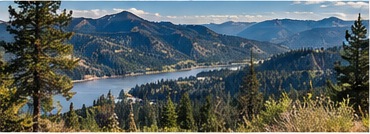
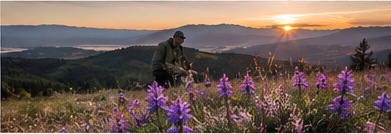
Some questions are better answered in the field.
Reports, maps, photographs and remote data can tell us a great deal. NBM adds something different: the opportunity to stand in the place being discussed, see conditions at human scale, hear informed perspectives and talk through what those observations mean.
Access is the capability. Understanding, education and productive conversation are the purpose.
What an NBM field day actually looks like
A typical flagship program is designed as a full field day—approximately 7–8 hours—with a manageable group, planned environmental observation stops, trained drivers, subject-matter context and a signature catered Field Table lunch.
Base Briefing
Welcome, program objectives, route and weather review, participant needs, communications and the day's environmental questions.
Safety Orientation
Field procedures, vehicle entry/exit, seat restraints, communications, emergency expectations and participant orientation.
Into the Field
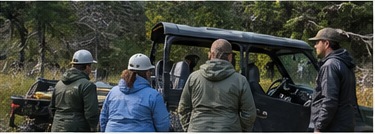
Participants travel with trained drivers in appropriate field vehicles while staff manage the route, pace and changing conditions.
Field Stops
At planned locations, participants get out, observe conditions firsthand and learn from subject-matter experts and local context.
NBM Field Table
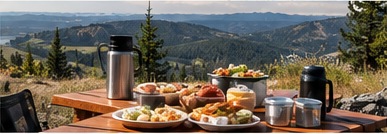
A catered field lunch creates deliberate time to compare observations, ask questions and hear perspectives while still on the landscape.
Additional Stops
The afternoon connects earlier observations with other conditions, management challenges, opportunities and practical questions.
Back to Base
Return travel, closing discussion, key observations, documentation and identification of useful follow-up or next actions.
Lunch is part of the program.
The Field Table is intentionally more than a meal break. After participants have seen conditions firsthand, NBM creates a comfortable field setting for people to sit down, eat well and talk while those observations are fresh.
That conversation may include conservation professionals, land managers, educators, community stakeholders, business representatives, technical specialists and decision-makers. The objective is not forced consensus. It is better-informed discussion grounded in a shared experience of place.
Remote access without treating the day like recreation.
Trained Drivers
Participants are transported by trained drivers operating within defined field procedures rather than being expected to manage unfamiliar terrain themselves.
Prepared Routes
Routes, access conditions, weather, communications and contingency considerations are part of program preparation.
Appropriate Equipment
Field vehicles and support equipment are selected to support the access requirement and operating environment.
Bring the people connected to the issue into the same landscape.
Decision-Makers
See conditions that may otherwise be known primarily through reports, meetings or maps.
Conservation & Land Professionals
Share technical knowledge in the landscape where management questions are visible.
Educators & Community Stakeholders
Build environmental understanding through direct observation and dialogue.
Observe. Understand. Discuss. Explore solutions.
NBM coordinates the logistics so the program can focus on the landscape, the knowledge in the group and the quality of the conversation.
Explore Program Offerings →